
What Is Transformer Oil Centrifuging?
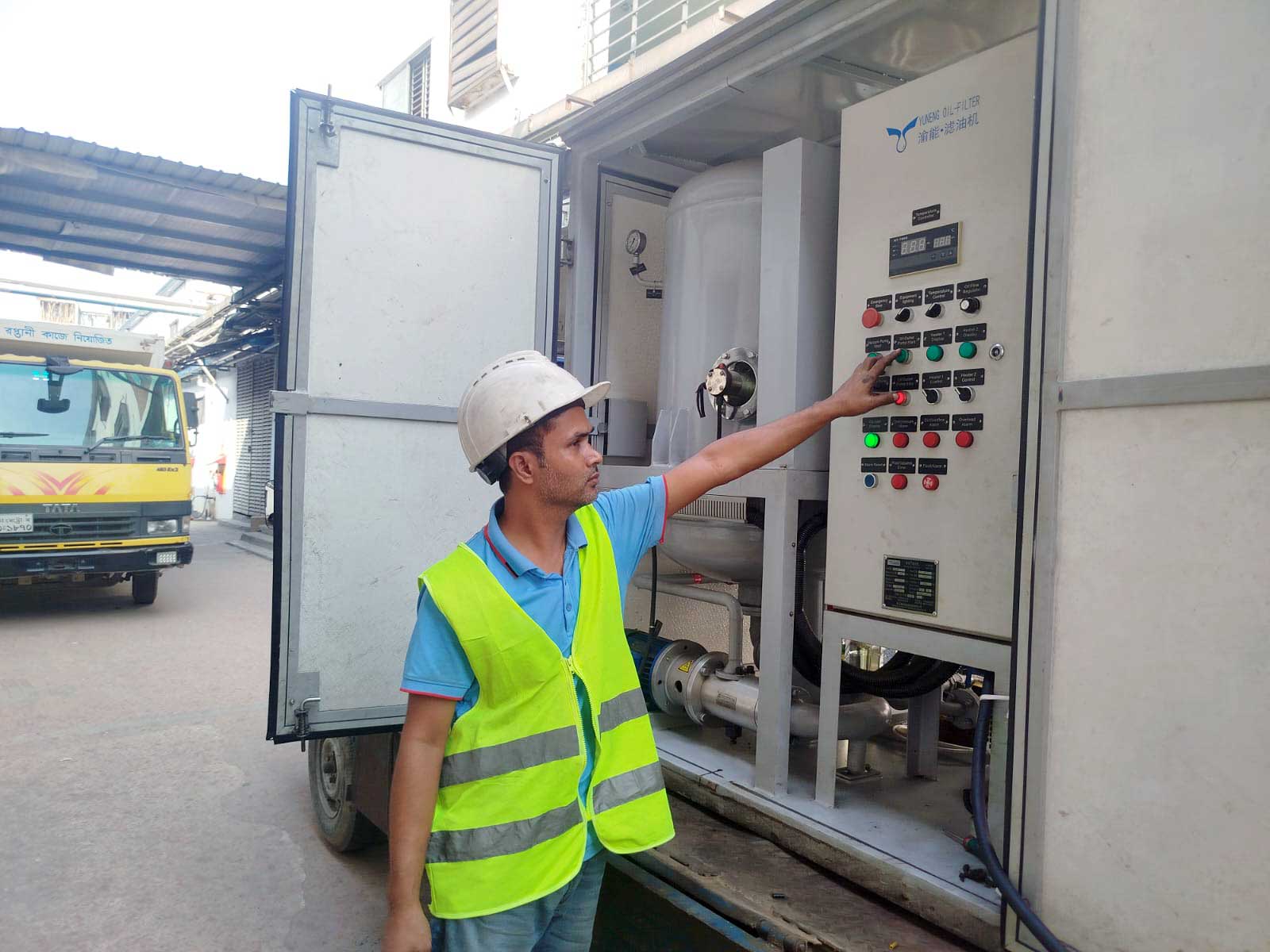
Transformer oil centrifuging is a process that separates contaminants from insulating oil using centrifugal force. The oil is pumped into a machine with a bowl that rotates at high speed. Water, sludge and solid particles are denser than oil, so they are thrown outward and separated, while the cleaner oil leaves through a separate outlet.
A household comparison is the spin cycle of a washing machine. As the drum spins, water is forced out of the clothes. In the same way, a transformer oil centrifuging machine forces free water and heavy particles out of the oil. In practice, centrifuging is rarely used alone. Most professional transformer oil centrifuging & filtration service jobs combine it with fine filters, heating and, where needed, vacuum dehydration. Each stage removes a different type of contamination, and together they bring the oil back to a usable condition. That combined approach is what most people mean when they ask for transformer oil centrifuging & purification.
Why Is Transformer Oil Centrifuging Needed?
Oil in service is never perfectly clean. Contamination enters from several directions:
- Moisture. Water enters through breathers with exhausted silica gel, leaking gaskets, poor oil handling, and from the breakdown of paper insulation itself. Humid weather in Bangladesh makes this worse.
- Dust and fibres. These come from open-tank maintenance, wear of insulation paper and contaminated hoses or drums.
- Carbon particles. Arcing in tap changers and internal faults produce fine carbon that stays suspended.
- Sludge. Oxidised oil forms sludge that settles on windings and in cooling ducts, which reduces heat transfer.
- Oxidation products. Acids and polar compounds form as oil ages at high temperature and in the presence of oxygen.
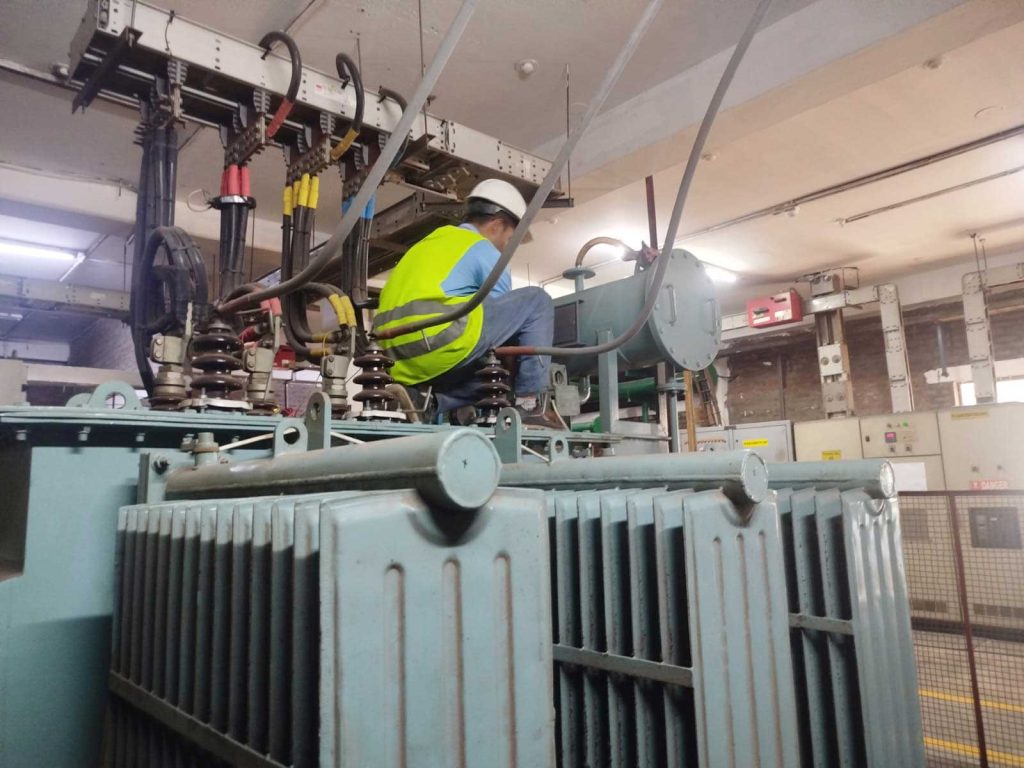
The effect on the transformer is direct. Water and particles reduce the dielectric strength, which is measured as breakdown voltage (BDV). Sludge blocks cooling channels and raises winding temperature. Acids attack the cellulose insulation and shorten the life of the paper. A programme of transformer oil maintenance catches these problems early, and oil centrifuging is one of the tools used to correct them.
Transformer oil samples ranging from dark degraded oil to clean treated oil
Oil samples showing the change in colour from degraded oil (left) to clean, treated oil (right).
How Does a Transformer Oil Centrifuge Work?
A transformer oil centrifuge works on the difference in density between oil, water and solid particles. The sequence inside the machine is simple:
- A pump draws the oil from the transformer or a storage tank through a coarse strainer that stops large debris.
- A heater raises the oil to a controlled temperature. Warm oil is less viscous, so water and particles separate more easily.
- The oil enters the bowl, which spins at high speed. Centrifugal force pushes the denser water and solids to the outer wall of the bowl.
- Clean oil is discharged through the oil outlet, and the separated water leaves through its own outlet. Solids collect in the bowl and are removed during cleaning.
- The oil usually passes through fine filters before it returns to the transformer or goes to a clean tank.
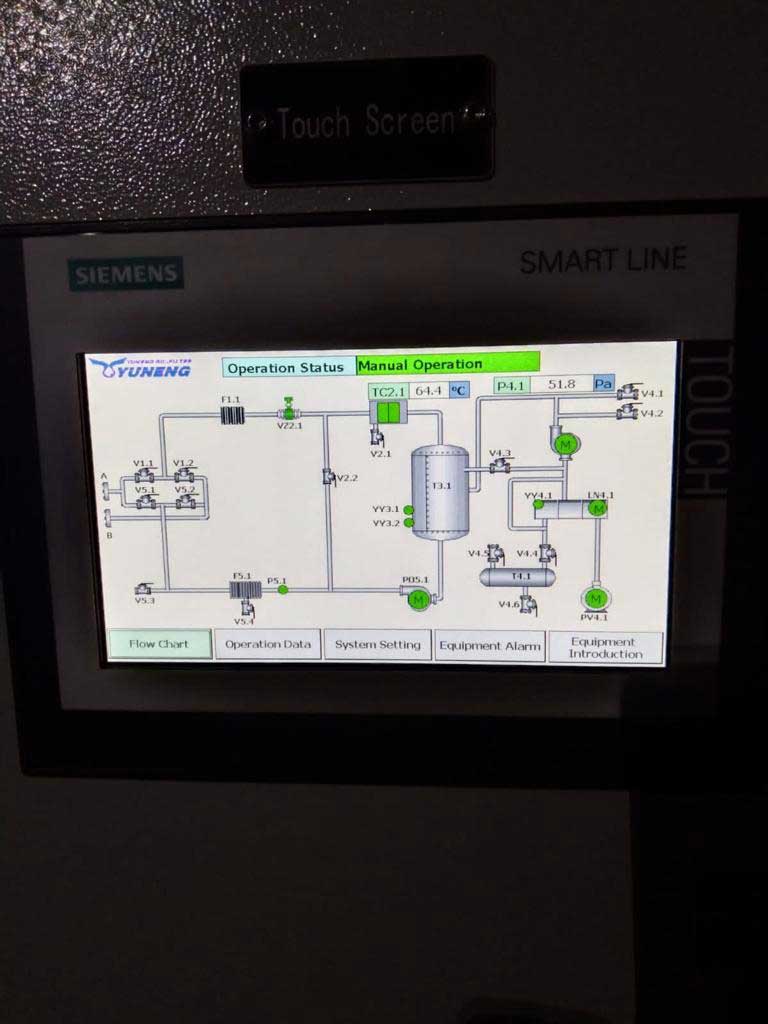
The main parts are the inlet pump, heater, filters, centrifugal bowl, oil and water outlets, and a control panel. Many modern plants add a vacuum chamber and vacuum pump, which handle dissolved moisture and gases that a centrifuge alone cannot remove. Not every centrifuging machine has a vacuum section, so it is worth asking what the machine you are being offered actually includes.
When Should Transformer Oil Be Centrifuged?
Centrifuging is the right choice in situations like these:

- Low BDV. Test results below the limit for your voltage class point to water or particles.
- High moisture content. Moisture above the recommended value harms both the oil and the paper insulation.
- Visible sludge or particles. Cloudy oil, deposits or fibres in the sample.
- After repair or rewinding. Oil that was drained, stored or exposed to air during repair.
- After flooding or leakage. Water ingress from heavy rain or a failed seal.
- New oil with moisture. Drum oil that has absorbed moisture in storage should be treated before filling, because the drum’s moisture limit is higher than what a large transformer should receive.
- Before energising a long-idle transformer. Units stored for months can pick up moisture.
- As scheduled maintenance. Many organisations treat oil on a planned cycle based on routine test results.
If routine tests show a falling trend in BDV or a rising trend in moisture, treat the oil before the values reach the alarm level. It is much cheaper to maintain oil than to repair a failed winding.
Frequently Asked Questions (FAQ)
What is transformer oil centrifuging?
Transformer oil centrifuging is a process that uses a high-speed rotating bowl to separate water, sludge and solid particles from insulating oil. Because these contaminants are denser than oil, centrifugal force pushes them outward while cleaner oil leaves through a separate outlet. It is usually combined with filtration and testing.
Why is transformer oil centrifuging necessary?
Oil in service collects moisture, dust, carbon and sludge, which reduce its insulating strength and cooling ability. Left untreated, this can lead to low BDV, faster ageing of paper insulation and internal faults. Centrifuging removes much of the contamination and restores the oil, without the cost of full replacement.
How does a transformer oil centrifuge work?
Oil is pumped into the machine, heated to reduce viscosity, and fed into a bowl that rotates at high speed. Centrifugal force throws denser water and particles to the outer wall, while cleaner oil exits separately. Fine filters usually follow, and some plants add vacuum dehydration for dissolved moisture and gas.
What is the difference between transformer oil centrifuging and filtration?
Centrifuging separates contaminants by density and is effective for free water, sludge and heavy particles. Filtration traps particles by size using filter elements. Neither removes dissolved moisture on its own, which needs vacuum dehydration. Most professional services combine all three, depending on the oil’s test results.
Can centrifuging remove moisture from transformer oil?
Centrifuging removes free and suspended water well, but it cannot reliably remove moisture dissolved in the oil. For that, vacuum dehydration with heat is used. For wet oil, a combined process of centrifuging and vacuum treatment, confirmed by a moisture test, gives the best result.
When should transformer oil be centrifuged?
Centrifuge oil when tests show low BDV, high moisture or visible sludge and particles. It is also advised after repairs, water ingress, long storage or flooding, and when drum oil has absorbed moisture before filling. Regular testing helps you act before values reach alarm limits.
How long does transformer oil centrifuging take?
Time depends on oil volume, machine capacity, starting condition and the target BDV and moisture. A small distribution transformer may take a few hours, while large or heavily contaminated units need longer and more passes. The job is complete when test results meet requirements, not after a fixed time.
What is the cost of transformer oil centrifuging in Dhaka?
The cost depends on oil volume, contamination level, treatment type, site location, access and testing. Because every transformer is different, there is no fixed price. Send us your transformer details and latest oil test report, and Capital Power Engineering (BD) will give you a written quotation.
Does transformer oil centrifuging improve BDV?
Yes, in most cases. Water and particles are the main reasons for low breakdown voltage, and removing them raises it. The improvement depends on the condition of the oil. A final BDV test confirms the result. Chemically degraded oil may need reclamation or replacement instead.
Can transformer oil be purified without replacing it?
Often yes. If the oil is mainly contaminated by water, particles or gas, purification restores it. If it is badly oxidised, with high acidity and low interfacial tension, purification alone will not be enough, and reclamation or replacement is advised. Testing shows which route is correct.
Do you provide onsite transformer oil filtration in Bangladesh?
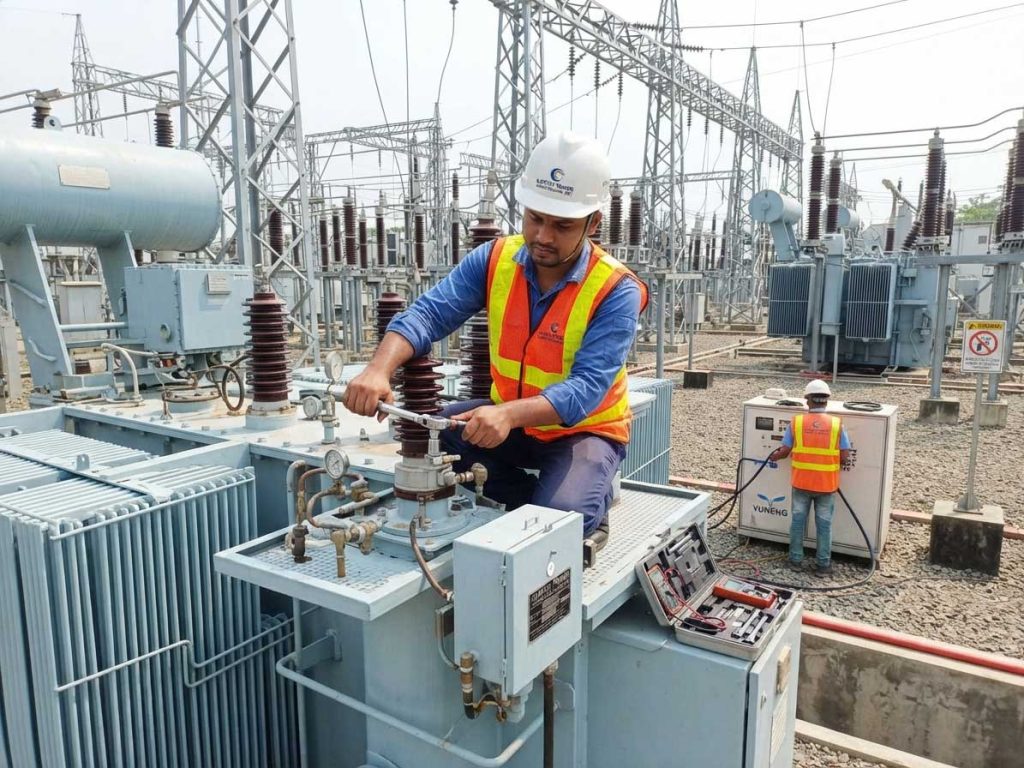
Yes. Capital Power Engineering (BD) brings a mobile oil treatment plant to your substation, factory or project site in Dhaka and across Bangladesh. The service includes isolation coordination, treatment, before and after testing and a report, so your transformer can return to service with confidence.
How can I get transformer oil centrifuging service from Capital Power Engineering (BD)?
Call 01713-930394 or email capitalpowerbd@gmail.com with your transformer rating, oil quantity, site location and latest oil test report if available. Our engineer will assess the requirement, arrange a site visit, and provide a written quotation and schedule. You can also visit www.capitalpowerbd.com.
Get Transformer Oil Centrifuging Service in Dhaka and Across Bangladesh
If your transformer oil has low BDV, high moisture, sludge or has not been tested for a long time, do not wait for a failure. Contact Capital Power Engineering (BD) for a site assessment and quotation.
- Company: Capital Power Engineering (BD)
- Address: Plot# 3/2, Hazi Nowab Ali Road, Boro Dewora, Nishat Nagar, Tongi, Gazipur
- Phone: 01713-930394
- Email: capitalpowerbd@gmail.com
- Website: www.capitalpowerbd.com